How To Repair The Pineal Gland Naturally: What Science Says?

There’s no proven way to “repair” or decalcify the pineal gland, but you can support its main job, making melatonin, through healthy light, sleep, and lifestyle habits.
Pineal gland calcification is far more common than most people realize. A 2023 systematic review and meta-analysis found a pooled prevalence of 61.65%, with rates rising with age and higher in men.
In other words, most adults have some calcification, and it usually causes no noticeable symptoms on its own.
Popular online claims tie calcification to fluoride, “third eye” blockage, and brain fog, and sell supplements to detox the pineal gland.
The evidence for those claims is thin. A 2001 study did find fluoride builds up in the pineal glands of elderly people, but fact-checkers note there’s no clinical evidence fluoride harms the human pineal gland.
This article explains what pineal gland calcification really is, what the research says about symptoms and decalcification, and the natural habits that actually support healthy melatonin and sleep.
What Is The Pineal Gland, And What Does It Do?
The pineal gland is a tiny, pinecone-shaped gland deep in the center of the brain. Its best-known job is making melatonin, the hormone that helps regulate your sleep-wake cycle.
Researchers note that about 80% of the pineal gland is made of pinealocytes, cells whose main product is melatonin, which plays a major role in circadian rhythm.
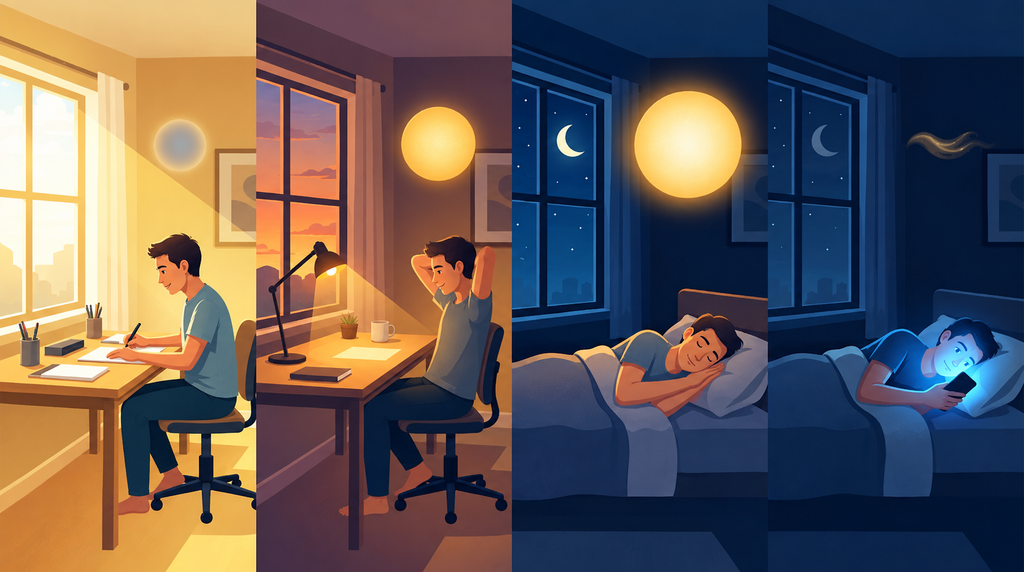
Here’s how it works in simple terms:
| Time Of Day | What Happens |
|---|---|
| Daytime, bright light | Melatonin release stays low, helping you feel alert |
| Evening, light dims | Melatonin starts to rise, signaling sleep is coming |
| Night, darkness | Melatonin peaks, supporting sleep |
| Night, bright or blue light | Melatonin is suppressed, which can delay sleep |
Because of its location and its link to light, the pineal gland has long been tied to spiritual ideas, including the “third eye.”
Those beliefs are popular online, but they’re separate from what medical research has shown about the gland.
What Is Pineal Gland Calcification?
Pineal gland calcification is the buildup of mineral deposits in the gland. A 2023 meta-analysis describes it as the formation of tiny deposits called corpora arenacea, made mostly of calcium and phosphorus.
These deposits show up clearly on brain scans. Researchers first identified them on skull X-rays of autopsy specimens in 1918, and today they’re easily seen on standard brain CT scans.
How Common Is A Calcified Pineal Gland?
Very common. Here’s what different studies found:
| Study | Population | Prevalence Of Calcification |
|---|---|---|
| 2023 systematic review and meta-analysis | Pooled from multiple studies | 61.65% |
| Korean cone-beam CT study | Dental implant patients | 58.8% |
| Turkish cone-beam CT study | 220 dental patients | 33.6% |
The meta-analysis authors noted that calcification is most common in adults compared with children, and increases with age.
Who Is More Likely To Have Pineal Gland Calcification?
Research points to several associated factors:
- Age: calcification becomes more common as people get older.
- Male sex: the 2023 meta-analysis and a 2023 Iranian CT study both found higher rates in men. In the Iranian study, men had about 2.3 times the odds.
- White ethnicity: listed as a factor in the 2023 meta-analysis.
- Smoking: the Iranian study found smokers had about 4.5 times the odds of calcification, and smoking was the main associated factor in people over 63.
Is Pineal Calcification Normal Aging Or A Disease?
Scientists don’t fully agree. The 2023 Iranian study states it isn’t yet known whether pineal calcification is a normal part of aging or a condition caused by lifestyle and metabolic factors.
What we do know is that it’s extremely common, often found by accident on scans done for other reasons, and not usually treated as a medical problem on its own.
What Are The Symptoms Of A Calcified Pineal Gland?
This is where online information and medical research part ways.
What the research suggests: pineal calcification itself usually doesn’t cause noticeable symptoms.
It’s typically discovered as an incidental finding on scans, as in the dental imaging studies above.
Possible links being studied:
| Possible Association | What Research Says |
|---|---|
| Lower melatonin production | Histology research suggests age-related replacement of secretory tissue with calcifications and other tissue may reduce melatonin synthesis |
| Changes in seasonal patterns | A small study linked more calcification with less experience of seasonal changes in behavior, which researchers tied to reduced melatonin capacity |
| Alzheimer’s disease | Researchers have proposed calcification may play a role in Alzheimer’s, but this remains an area of study |
Even here, the evidence is mixed. The Iranian study authors note that some researchers report melatonin levels aren’t affected by calcification.
What About The “Symptoms” Listed Online?
Many websites list symptoms of a calcified pineal gland such as:
- Brain fog
- Poor sleep
- Low motivation
- Lack of intuition or spiritual connection
- Anxiety or depression
- Headaches
These symptoms are real and worth taking seriously, but they have many possible causes, including stress, poor sleep habits, depression, thyroid problems, vitamin deficiencies, and medication side effects.
There’s no good evidence that pineal calcification causes these symptoms in most people.
If you have ongoing sleep problems, brain fog, headaches, or mood changes, see a doctor. Blaming them on pineal calcification could delay finding a treatable cause.
To understand what research actually says, read about the real warning signs of pineal gland damage.
Can You Decalcify Your Pineal Gland?
There’s no scientific evidence that any method can decalcify the pineal gland in humans.
We found no published human studies showing that diet changes, supplements, detox protocols, or other natural methods reverse existing pineal calcification.
That doesn’t stop many websites and products from claiming otherwise. Here’s a reality check on popular “pineal gland decalcification” methods:
| Popular Decalcification Claim | What The Evidence Shows |
|---|---|
| Avoiding fluoride decalcifies the gland | No human studies show this reverses calcification |
| Iodine supplements remove fluoride | No evidence for pineal decalcification |
| Tamarind, chlorella, or spirulina detox | No human evidence for pineal effects |
| Apple cider vinegar | No evidence for pineal decalcification |
| Raw cacao or turmeric | No evidence for pineal decalcification |
| Meditation “activates” the pineal gland | Meditation has relaxation benefits, but no evidence it removes calcification |
| “Pineal detox” supplements | No published trials showing decalcification |
Does Fluoride Calcify The Pineal Gland?
Fluoride is the most common villain in online pineal gland articles. Here’s what the research actually shows.
What Did The Fluoride Study Find?
A 2001 study published in Caries Research examined pineal glands from 11 elderly cadavers. It found the pineal gland had accumulated substantial fluoride, more than muscle, and that pineal fluoride levels correlated with calcium levels. Fact-checkers note the cadavers averaged 82 years old and the pineal glands had accumulated about as much fluoride as teeth.
What Didn’t It Show?
That study didn’t show fluoride harming the human pineal gland. Science Feedback, a fact-checking organization, concluded there’s no evidence fluoride negatively affects pineal function in humans, while noting more research is needed. It also points out that some animal research suggests high dietary fluoride might affect the pineal gland and melatonin, but human studies are lacking.
Key points:
- Fluoride appears to collect in calcified pineal tissue, likely because of its chemical attraction to calcium.
- A correlation doesn’t prove fluoride causes calcification.
- There’s no human evidence that avoiding fluoride reverses existing calcification.
Should You Stop Using Fluoride Toothpaste?
Don’t make that decision based on pineal gland claims alone. Fluoride toothpaste is widely recommended for preventing tooth decay. If you have concerns about fluoride, talk to your dentist or doctor rather than following online detox advice.
Do Supplements To Decalcify The Pineal Gland Work?
No supplement has been proven to decalcify the pineal gland. Products marketed for this purpose usually combine ingredients like tamarind, neem, chlorella, spirulina, iodine, or herbal extracts.
For a real example, see our detailed Pineal Guardian X breakdown. Watch for these red flags:
- Claims of “pineal detox,” “third eye activation,” or “decalcification”
- Promises to fix sleep, memory, mood, and spiritual awareness all at once
- No published clinical trials on the product
- Hidden ingredient doses
- Pressure tactics like countdown timers and “limited stock”
Are Pineal Detox Supplements Safe?
Not always. Some ingredients carry real risks:
- Neem: the NIH’s LiverTox database notes case reports linking neem oil to severe metabolic acidosis and death, particularly in young children. RxList describes neem oil and bark as likely unsafe by mouth during pregnancy.
- Iodine: taking extra iodine without medical guidance can affect thyroid function.
- Unregulated “detox” products: quality and contents can vary widely.
Never ingest borax, high-dose iodine, or other “detox” chemicals promoted in online pineal guides. Talk to a doctor before taking any supplement for this purpose.
How To Decalcify Your Body: Is That Even Possible?
“Decalcifying your body” isn’t a real medical concept. Calcium is essential for bones, teeth, muscles, nerves, and heart function. You don’t want to remove it.
Unwanted calcium deposits do occur in some medical conditions, such as:
- Calcium buildup in blood vessels
- Kidney stones
- Certain joint or tissue conditions
These are diagnosed and managed by doctors, not by detox drinks or supplements. If you’re worried about calcium deposits anywhere in your body, see a healthcare professional.
How To Support Your Pineal Gland Naturally
While you can’t decalcify your pineal gland, you can support its main job: producing melatonin at the right time. These habits are backed by sleep research.
Manage Light Exposure At Night
Light is the biggest signal your pineal gland responds to. Harvard Health Publishing explains that light exposure suppresses melatonin secretion, and blue light at night does so more powerfully.
In one Harvard-led experiment, 6.5 hours of blue light suppressed melatonin for about twice as long as green light and shifted body clocks by twice as much (3 hours vs. 1.5 hours).
Even dim light can have an effect. A Harvard sleep researcher noted that just 8 lux, a brightness exceeded by most table lamps, can interfere with melatonin and circadian rhythm.
Practical tips:
| Habit | Why It Helps |
|---|---|
| Avoid bright screens 2 to 3 hours before bed | Harvard Health suggests this to protect melatonin |
| Use dim, warm lighting in the evening | Red light is less likely to suppress melatonin |
| Use night mode or blue-light filters | Reduces blue wavelengths from devices |
| Keep your bedroom dark | Blackout curtains or an eye mask |
| Consider blue-blocking glasses for night work | Recommended by Harvard Health for heavy night screen use |
Get Bright Light During The Day
Daylight does the opposite of nighttime light. Harvard Health notes that blue wavelengths are beneficial during the day because they boost attention, reaction times, and mood. Morning sunlight helps set your body clock so melatonin rises at the right time at night.
Try: 15 to 30 minutes outdoors in the morning, especially soon after waking.
Keep A Regular Sleep Schedule
Going to bed and waking up at the same time every day, including weekends, helps your body clock stay in sync. This supports a predictable rise in melatonin each evening.
Don’t Smoke
Smoking was the strongest lifestyle factor associated with pineal calcification in the 2023 Iranian CT study, especially in people over 63. Quitting smoking also benefits your heart, lungs, and brain in many other ways.
Look After Your Overall Health
The Iranian study also found blood lipid levels were linked to calcification in people under 63. Managing cholesterol, blood pressure, and blood sugar through diet, exercise, and medical care supports brain health overall.
Build A Calming Bedtime Routine
Winding down for an hour before bed with dim lights, no screens, and relaxing activities gives melatonin a chance to do its job. Here are simple, research-backed ways to relax your brain before sleep.
Does Melatonin Help A Calcified Pineal Gland?
Melatonin supplements don’t repair or decalcify the pineal gland. They simply add melatonin from outside the body.
Melatonin supplements may help some people with specific sleep problems, such as jet lag or certain circadian rhythm disorders.
But they aren’t right for everyone, and doses in over-the-counter products vary. Talk to your doctor before using melatonin regularly, especially if you take other medications, are pregnant, or are giving it to a child.
When Should You See A Doctor?
See a doctor if you have:
- Ongoing trouble falling or staying asleep
- Persistent brain fog or memory problems
- New or worsening headaches
- Vision changes or double vision
- Mood changes, anxiety, or depression
- A scan report mentioning a pineal finding you don’t understand
If a brain scan shows pineal calcification, ask your doctor what it means for you. In most cases, it’s a common incidental finding. Your doctor can explain whether any follow-up is needed.
What Is The Bottom Line On Repairing The Pineal Gland Naturally?
Pineal gland calcification is extremely common, affecting a majority of adults in pooled research, and it usually causes no noticeable symptoms.
Despite countless online guides promising pineal gland decalcification through fluoride avoidance, detox drinks, or special supplements, there’s no human evidence that any of these methods reverse calcification. Some “detox” products may even carry safety risks.
What you can do is support your pineal gland’s real job: producing melatonin at the right time.
Limit bright and blue light in the evening, get morning daylight, keep a consistent sleep schedule, avoid smoking, and look after your overall health.
If you’re struggling with sleep, brain fog, or mood, see a doctor, since these symptoms often have treatable causes that have nothing to do with your pineal gland.
If you still plan to try a supplement, compare the current offers and bundles carefully before buying.
What Do People Ask Most About Pineal Gland Calcification?
How Can I Repair My Pineal Gland Naturally?
Repairing the pineal gland naturally isn’t proven to be possible, but you can support its melatonin production. Limit bright and blue light at night, get morning daylight, keep a regular sleep schedule, avoid smoking, and manage your overall health.
What Are The Symptoms Of A Calcified Pineal Gland?
A calcified pineal gland usually causes no noticeable symptoms and is often found by accident on brain scans. Researchers are studying possible links with lower melatonin and Alzheimer’s disease. Symptoms listed online, like brain fog, have many other possible causes.
How Common Is Pineal Gland Calcification?
Pineal gland calcification is very common, affecting about 61.65% of people in a 2023 meta-analysis. It’s more common in adults than children and increases with age. Men and smokers appear to have higher rates.
Can You Decalcify Your Pineal Gland?
Decalcifying your pineal gland hasn’t been proven possible in humans. We found no published human studies showing that any diet, supplement, or detox method reverses pineal calcification.
Does Fluoride Calcify The Pineal Gland?
Pineal gland fluoride buildup was found in a 2001 study of elderly cadavers, and it correlated with calcium levels. However, fact-checkers note there’s no clinical evidence fluoride harms the human pineal gland. More research is needed.
Do Supplements To Decalcify The Pineal Gland Work?
Pineal gland decalcification supplements have no published evidence showing they work. Some contain ingredients like neem, which carries safety concerns. Talk to a doctor before taking any pineal detox product.
How Do You Detox Your Pineal Gland?
Pineal gland detox methods promoted online aren’t supported by research. The most useful steps are managing light exposure at night, getting daylight, keeping a regular sleep schedule, and avoiding smoking.
Does Meditation Decalcify The Pineal Gland?
Pineal gland decalcification through meditation isn’t supported by evidence. Meditation can help with relaxation, stress, and sleep, which may support healthy melatonin patterns, but it hasn’t been shown to remove calcium deposits.
Is A Calcified Pineal Gland Dangerous?
A calcified pineal gland is usually not considered dangerous and is often a normal finding on scans. Researchers are still studying whether it’s simply part of aging or linked to lifestyle factors. Ask your doctor if a scan mentions it.
References
- Belay DG, Worku MG. Prevalence of pineal gland calcification: systematic review and meta-analysis. Systematic Reviews. 2023;12:32.
Reports a pooled pineal gland calcification prevalence of 61.65% and examines associations with age, sex, and ethnicity. - Jalali Z, et al. Cross-sectional analysis of potential risk factors of the pineal gland calcification. BMC Endocrine Disorders. 2023.
Examines CT scans from 586 patients and reports associations between pineal calcification, male sex, smoking, age, and other health factors. - Luke J. Fluoride deposition in the aged human pineal gland. Caries Research. 2001;35(2):125-128.
Examines fluoride and calcium concentrations in pineal glands from 11 elderly cadavers and reports a positive correlation between pineal fluoride and calcium. - National Institutes of Health, National Institute of Neurological Disorders and Stroke. Healthy Sleep.
Explains how the light-dark cycle regulates melatonin production and how the pineal gland contributes to the body’s sleep-wake rhythm. - Arendt J, et al. Physiology of the Pineal Gland and Melatonin. Endotext, National Center for Biotechnology Information.
Reviews pineal gland physiology, melatonin secretion, circadian rhythms, and the effects of light exposure on melatonin production. - Harvard Health Publishing. Blue Light Has a Dark Side.
Reviews research showing that nighttime light can suppress melatonin and that blue light can have a stronger effect on melatonin and circadian timing than comparable green light exposure.